Digital transformation is reshaping industrial operations. But as enterprises connect more assets and converge IT and OT networks, the attack surface expands. Of all industries, manufacturing currently experiences the most cyberattacks,1 exposing manufacturers to reputational, financial, and operational harm.
But despite the prevalence of cyberattacks, organizations must pursue digital transformation to remain competitive and innovative, making robust cybersecurity essential. These measures consist of the processes and technologies – software and hardware – that protect an enterprise’s network and infrastructure. Of these technologies, the industrial cellular router plays a pivotal defensive role in reducing both the likelihood and severity of cyberattacks. This article outlines how to provide practical deployment guidance for network and system administrators tasked with securing industrial connectivity at scale.
Network Perimeter Defense and Traffic Filtering
Think of an industrial cellular router as a gatekeeper at the edge of your industrial network. A key function it performs is to filter and inspect incoming traffic to identify potential threats and prevent any unauthorized access and malicious activity. It does this primarily through:
- Zone-Based Policy Firewall: Allows segmenting of a network into logical zones, and creating granular rules based on protocols, ports, and applications to better control traffic flows between them. Because the zones are robust and scalable, they are ideal for distributed and industrial environments.
- Access Control Lists (ACLs): ACLs enforce traffic flow policies, determining what traffic can enter or leave network segments. By setting up ACLs, administrators can control which devices or services are accessible across segments, limiting attackers' lateral movement within the network.
- Layer 2 MAC Address Filtering: Blocks unauthorized endpoints from connecting to the network by enforcing strict device-level access control. It reduces attack surfaces and limits lateral movement.
- Trusted Host Filtering: Permits only pre-approved hosts (IPs) to communicate with the router, further countering the risk of unauthorized access.
- Idle Cellular Port Timers: Close connections quickly after they become inactive to limit the time bad actors have to explore potential vulnerabilities. This is especially valuable at distributed and remote sites that are unattended.
- Service Disabling (Telnet, SNMP, Modbus, etc.): Disables any unused physical port and limits access to only expected protocols/ports to minimize exposure to attack.
- Ping Response Disabling: Prevents reconnaissance by attackers by denying easy host discovery and latency fingerprinting.
Combined, these features form an effective barrier against network attacks, especially valuable in industrial environments where legacy systems remain prevalent during digital transformation.
Identity and Access Management
Strong authentication and authorization protocols are another important means of ensuring that only legitimate users and devices gain access to a network. Key elements are:
- AAA (Authentication, Authorization, Accounting) with LDAP, RADIUS, TACACS+: AAA ties access to verified identities to allow only authenticated users and devices access. AAA protocols enable role-based access control, audit trails, and policy enforcement across distributed sites, vital for securing remote sites and mobile assets.
- 802.1x: Requires device authentication before granting connectivity to ensure only authorized endpoints, such as PLCs, sensors, or remote management systems, can join the network.
- Certificate Support (X.509): X.509 is a certificate-based identity verification that ties an identity to a public key via a digital signature.
- 2-Factor Authentication (2FA): 2FA reduces the risk of credential theft by requiring a second layer of verification, especially important where remote access is common.
- Management Access Control: Management Access Control imposes internal discipline by restricting who can configure or manage the router, lessening the risk of an insider threat or misconfiguration.
Credential management, role-based access, and compliance with cybersecurity standards are powerful means by which industrial cellular routers help protect industrial networks.
Secure Remote Connectivity & Monitoring
Achieving secure connectivity and comprehensive network asset visibility requires deploying technology that continuously monitors all network-connected devices, ensuring that only authorized devices have access and that all interactions are logged for audit purposes. An industrial cellular router provides this functionality and more:
- VPN Support: VPN protects sensitive data in transit by providing secure tunneling to remote access points such as distributed sites.
- SSH/SSL/TLS Connections: Secure command-line and data transfer protocols designed to prevent unauthorized access and man-in-the-middle attacks.
- Email Alert Notifications: Immediate alerts when suspicious activity or system events are detected for fast and effective response.
- Syslog Logging: Centralized logging for audit and forensic analysis to improve performance, aid in investigating incidents, and identify trends.
- SNMPv3: SNMPv3 is a standards-based protocol that, by authenticating and encrypting data packets, enables secure access to devices. It can help prevent unauthorized configuration changes and data interception.
- Dynamic DNS & DNS Support: Keeps remote access stable and secure even with changing IPs. DNS support filters by domain and controls traffic, further helping prevent unauthorized access and other attacks.
Secure 5G Connectivity with Perle
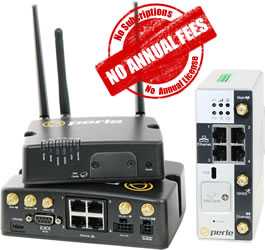
Strengthen your cybersecurity posture with Perle IRG Cellular Routers. These devices are equipped with security features that align with the needs for network perimeter defense, identity and access management, and secure remote connectivity and monitoring.
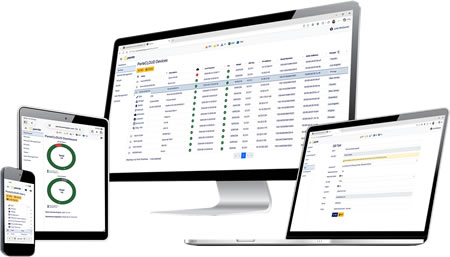
Perle routers also support remote management capabilities, allowing network administrators to securely configure, update, and manage devices from a central location.
While digital transformation expands the pathways through which malicious actors can target industrial operations, adherence to the three segments above helps ensure a more resilient posture.
1 BitSight Technologies. Supply Chains Under Siege: Inside the Cyber Threats on Manufacturing. August 13, 2025.